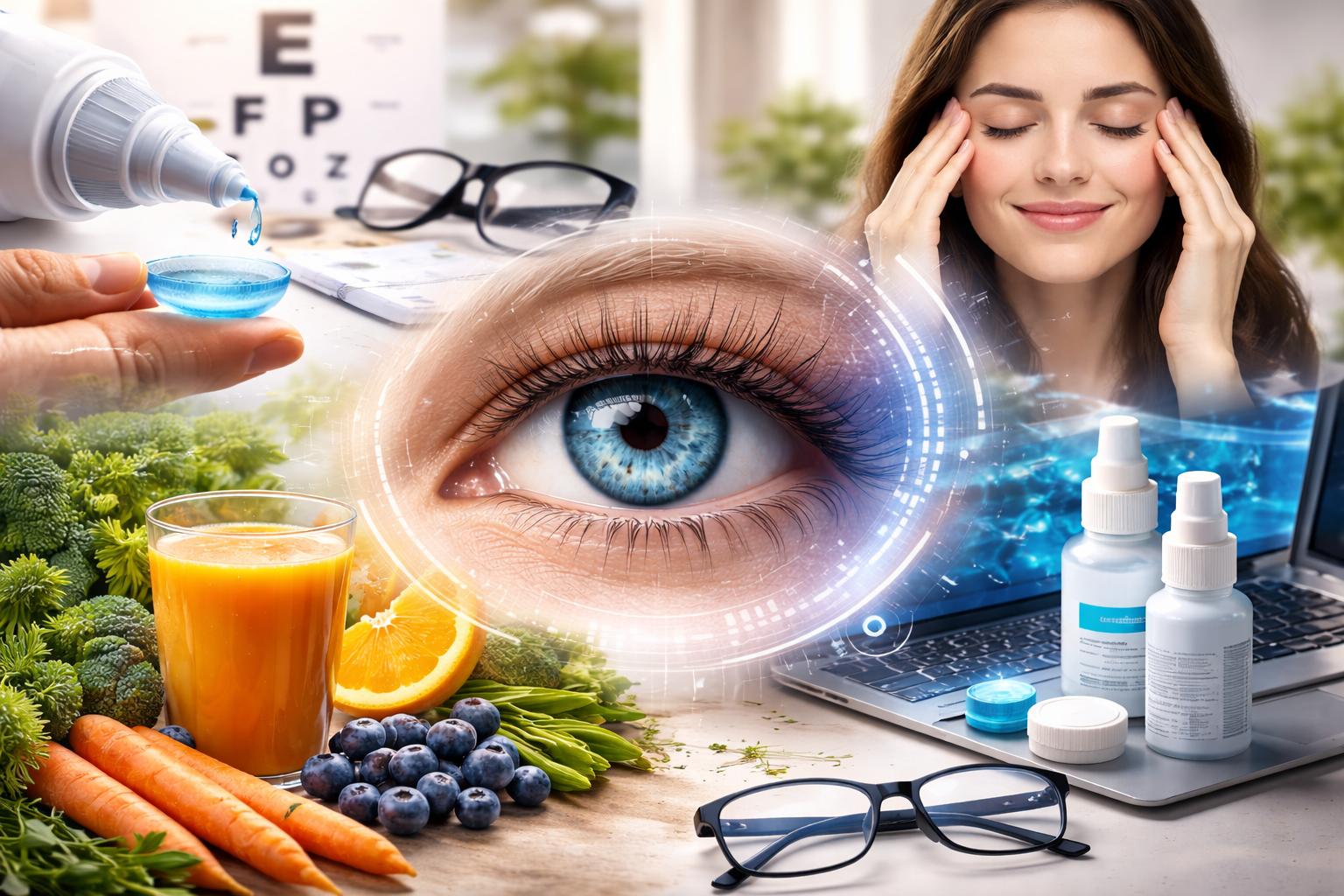
Research indicates that a plant-based diet significantly reduces the risk of cataracts, with studies showing a 40% risk reduction for vegans and a 30% reduction for vegetarians . This protection is primarily attributed to high concentrations of antioxidants, which are nearly 64 times more abundant in plant foods than in animal products . The following plant-based foods provide the best protection according to the sources:.
Dark Leafy Greens (Lutein and Zeaxanthin)
These vegetables are rich in carotenoids that act as "natural sunblock" for your eyes, filtering harmful blue light and neutralizing free radicals . Best sources: Kale, spinach, broccoli, collard greens, and romaine lettuce
- Citrus Fruits and Colorful Vegetables (Vitamin C)
Vitamin C protects the lens from UV-induced oxidative damage and helps regenerate other antioxidants like glutathione . Best sources: Oranges, grapefruits, lemons, strawberries, orange juice, bell peppers (especially orange peppers), and broccol
Nuts, Seeds, and Whole Grains (Vitamin E and Fiber)
Vitamin E shields eye cell membranes from free radical damage, while fiber-rich whole grains support overall metabolic health . Best sources: Pistachios, various nuts and seeds, vegetable oils, and whole grain products
Important Clinical Consideration: While a plant-based diet is highly protective, those following a strict vegan diet must supplement with Vitamin B12, as a deficiency can lead to elevated homocysteine levels, which is a risk factor for cortical cataracts